First County Archives Under Construction

SUB-314-San-Diego-1500px.jpg
ARCC-Santee-ECO_Exterior_rendering-1500px.jpg

The County puts up new buildings all the time and each one may require something a little different, but this is a first – a formal archive. The repository will collect and preserve County government records that date back to 1850. Documents include maps, deeds, historic birth, marriage and death certificates, and other official records.  

Workers construct the base for mobile shelving.

Workers construct the base for mobile shelving.

The new County Archives will be housed within the new Assessor/Recorder/County Clerk facility in Santee. Typically, such facilities are inherited, retrofitted or renovated. The County Archives is being built from scratch and with painstaking detail to preserve documents that date nearly as old as 170 years.

“We’re doing everything right,” said County Archivist Aditi Worcester. “Controlled temperature, humidity, secure access, compact mobile shelving to give San Diego County records the best shot for being preserved into perpetuity.” 

ARCC-Santee-Archive-lighting_stacks_archives-1500px.jpg

The 5,000-square-foot space will also boast its own dedicated HVAC system, emergency backup generator, state-of-the-art waterless fire suppression system, integrated pest management and UV lights designed to illuminate a specific aisle at a time.  

That shelving? Builders had to strengthen the foundation to hold the stacks’ weight and the contents inside. These 9.5-foot-tall shelving units run 43 feet long and are 6 feet wide.

“It’s a smart system with giant motorized shelves that move,” said General Services Project Manager Luis Peris. “For example, if a staff person is looking for documents on aisle five, then the system is pretty smart, it will open to aisle five. All the others remain closed.”

Why all the fuss over old documents? 

Legiblity-Pg1-with-Annotation-1500px.jpg

“The Recorder’s office is entrusted to maintain all recorded documents relating to property in San Diego County, such as property sales, loans, refinances, and maps, as well as vital records for life events – birth, marriage, death – which occurred in the County” said San Diego County Assessor/Recorder/Clerk Ernest J. Dronenburg. “The archives will offer county residents and other users the opportunity to conduct research and view publicly available documents, either electronically or by appointment, based on their physical condition.” 

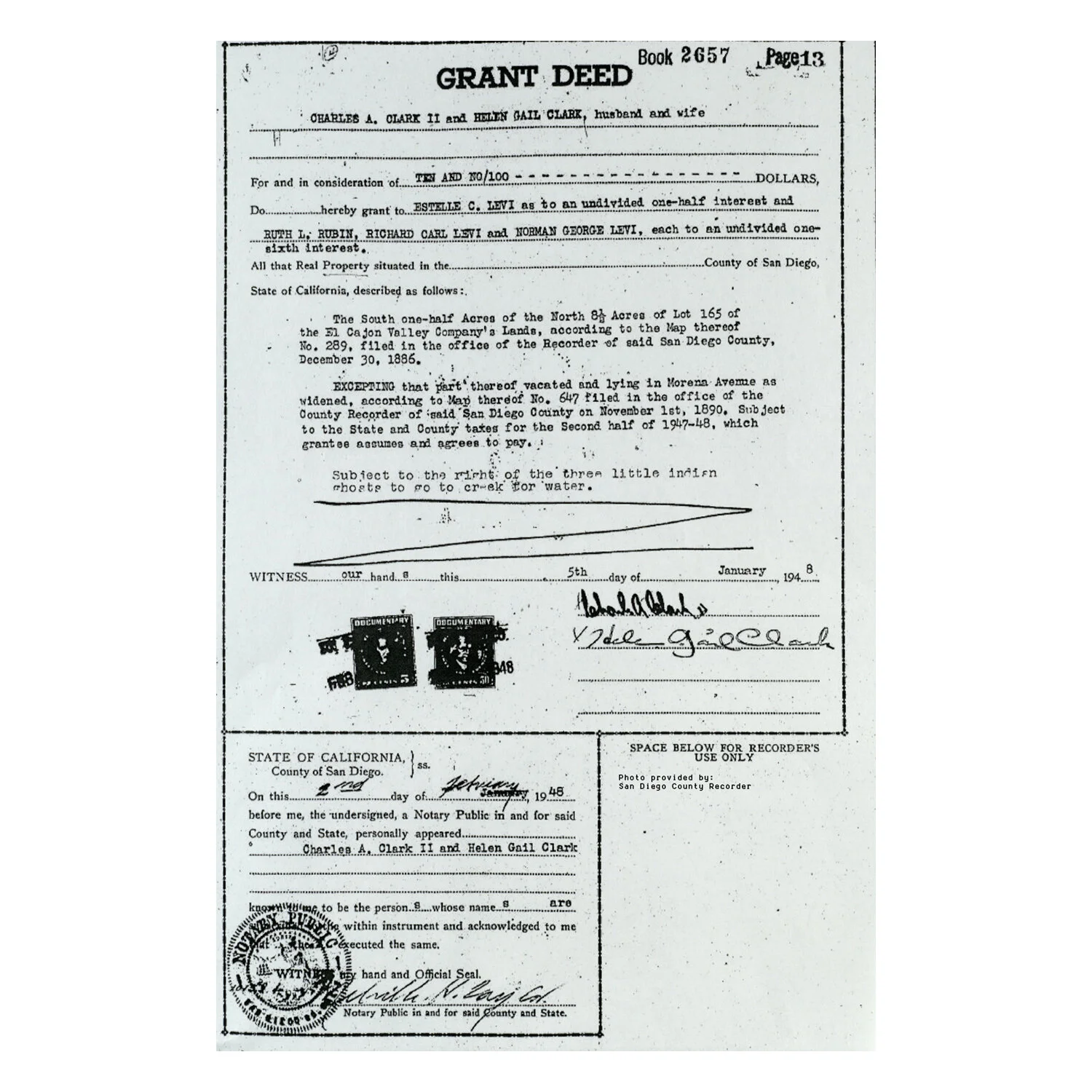
Records include such names as Wyatt Earp, A.E. Horton, Cave Couts, Yankee Jim and a deed of land to “three Indian ghosts.” Some 4,600 cubic feet of records, microfilm and maps will take up residence at the archives.  

More documents will be coming in all time. But the archives have room to grow with enough storage for the next 50 years.   

The entire building is 25,000 square feet and will become the County’s sixth zero net energy facility, meaning all the energy needed to run the building will be produced onsite. The one-story structure is being built to Leadership in Energy and Environmental Design standards. And the site will also feature a wedding room and an outdoor arbor.   

The grand opening for the new ARCC facility and its archives is scheduled for early 2020.

Pet of the Week – Hagrid & Buckbeak

Meet Hagrid & Buckbeak. These magical creatures are looking for their new forever home.

The two roosters have calm personalities, are great gardening helpers, and are friendly and intelligent. So let’s get them adopted!

You can see Hagrid & Buckbeak at the Department of Animal Services’ shelter in Carlsbad or visit sddac.com to give another animal their furever home.

Ernie Reyes’ Whale of a Mosquitofish Story

Ernie Reyes Mosquitofish InSite.jpg

How many of us get to make our jobs 100 times more productive — literally?

That’s exactly what Ernesto Reyes did, a feat that helped him become the Department of Environmental Health’s HEART Employee of the Quarter earlier this year.

All it took was some encouragement, networking, study and teamwork — and some plumbing pipe and high-density biofilter pads.

Plumbing pipe and biofilter pads? Sounds fishy. And it is, sort of. Mosquito-fishy.

See, Reyes, who goes by Ernie, has a big smile, ramrod posture and an iron grip, helped exponentially increase the County Vector Control Program’s production of mosquitofish. They’re the stars of one of the program’s most popular, disease-fighting programs.

Reyes did it in part by building plumbing pipe and biofilter “nests” where tiny, newborn mosquitofish could escape being eaten by their own hungry parents and grow into mosquito-larvae eating adult mosquitofish themselves.

Vector Control has given out thousands of free mosquitofish to the public at a dozen locations over the years. Placed in neglected “green” swimming pools and spas, ornamental ponds, fountains, bird baths and even horse troughs, mosquitofish can gobble up mosquito larvae as fast as mosquitoes can lay their eggs in water. That means fewer mosquitoes that can transmit diseases like West Nile virus from birds to people.

However, Vector Control’s mosquitofish breeding wasn’t very prolific at the County Operations Center when DEH and Vector Control hired Reyes about a year and a half ago — producing about 50 baby mosquitofish a month. Reyes eventually helped multiply that 100-fold, to 5,000 mosquitofish a month.

Reyes grew up in El Cajon. He joined the Navy where he worked as a hospital corpsman, including six months tending wounded in Afghanistan, then went back to college to study biology. So, he didn’t know anything about mosquitofish when DEH hired him to work as a shop technician, maintaining Vector Control’s traps, equipment, pesticides, and — the fish room.

The fish room is one of two places Vector Control keeps its mosquitofish. The first is in a pond near Lake Hodges. The second is in several black, 500-gallon, temperature-controlled tubs in DEH’s fish room at the County Operation Center.

When Reyes started with Vector, most of the mosquitofish breeding was done at the pond. A couple of times a week he or other technicians would drive up to the pond, “fish” for mosquitofish and bring them back to the holding tanks at the COC. After a few months, Reyes’ supervisor, County Veterinarian Dr. Nikos Gurfield, encouraged Reyes to think about whether they could boost breeding in the holding tanks.

With Gurfield’s support, Reyes reached out to other agencies and experts, including Mike Saba, then a biologist with the Orange County Vector Control District. Saba brought Reyes into the Mosquitofish and Biocontrol subcommittee of the Mosquito and Vector Control Association of California — a collection of roughly 70 vector control agencies and districts. Suddenly Reyes was swimming in mosquitofish information.

“I had no idea there were so many people dedicated to this,” Reyes said.

He learned the County wasn’t feeding its mosquitofish enough and increased feeding from four times a day to every hour of the workday.

That boosted reproduction, but it still left a problem. See, mosquitofish eat their young.

Mosquitofish are used as a mosquito-fighting tool because of their voracious appetites. They bear their young live, and the adults will eat the newborns if the little ones can’t find places to hide.

Reyes said through his work on the subcommittee, he had heard about a biofilter called Matala. It’s thick and mat-like, often used for water filtration, but also in mosquitofish breeding. Baby mosquitofish are much smaller than adults, and the twisting coils of the Matala were just big enough for baby mosquitofish to swim through and small enough to keep the hungry adults out.

Reyes’ biofilter and plumbing pipe mosquitofish haven.

Reyes’ biofilter and plumbing pipe mosquitofish haven.

Working with his Vector Control teammates, Reyes stitched together waffle-thick slabs of Matala to form open-topped boxes and attached them to buoyant plumbing-pipe frames. The safe havens were set afloat in the 500-gallon breeding tubs.

Now, the baby mosquitofish could swim up into the boxes for safety. Vector Control technicians scoop the baby mosquitofish out of the boxes and put them in separate tanks until they grow large enough to re-join the adults.

“Almost instantaneously we started seeing really good results,” Reyes said.

He tracked the improvement by scooping the babies into a clear container, taking photos, hand counting them on his computer and charting the progress on an excel data sheet.

The result? Mosquitofish reproduction jumped 100 times over, all for about $500 in equipment.

Reyes moved on from Vector Control in June. He’s still working with environmental health, but now as a food inspector. He said being recognized as the department’s employee of the quarter for the mosquitofish program was really rewarding, from a team perspective.

“It was nice to have that as a capstone to my time at Vector,” Reyes said. “I really worked with a lot of great people there. It wasn’t just Nikos (Gurfield), it was everybody there who was constantly offering feedback and really asking for a lot. It helped me grow as a professional.”


InTouch – Help Achieving Work-Life Balance

Helen_Official.jpg

Halloween is behind us, and before you know it, we’ll be in the thick of the holidays. This time of year often winds up being a mix of exciting and exhausting. The challenge of getting everything done is never-ending, but it gets kicked up a notch during the holiday season. So it seemed like a good time to talk about work-life balance.

The first thing I’ll acknowledge on the topic is – it’s easier said than done. You work at the County, so I know you have a demanding job. Expectations for the organization start with me, and yes, they are high. Then outside of work, most of you have full plates. Kids, aging parents, significant others need your attention. You have commitments to community and social organizations. Sinks to scrub and yards to weed. Passions to pursue.

There’s no simple, or single, way to make it all work. Each of us has unique circumstances. But we can all learn from each other. At one of my meetings, I asked several colleagues to share their strategies for achieving work-life balance, and I want to pass along some of their experiences.

David Estrella, our housing director, said he sets aside “sacred time” with his family. Friday night and Sunday morning are reserved to spend with his children. He said he’s also been spending more time walking and feels great as a result.

“It doesn’t have to be heavy-duty gym work but enough time to burn off the stress of the day,” David said. 

I think that’s a great lesson. We see many people doing marathons and other extreme activities – and hey, if you’re one of them, more power to you – but for most of us, the important thing is some kind of regular routine. Aim to complete, not compete.

Debbie Patag, from the Probation department, suggests if people are constantly scheduling you for meetings to block out time on your calendar for emails and projects, so those are not getting pushed into off-hours. That said, she did start a brief – 15 minutes – meeting each day with her staff, which she says really helps communications flow and makes for a stronger team.

My budget ace, Ebony Shelton, works hard at balancing numbers. She says balancing her time takes a lot of effort and focus as well. These are her top strategies.      

  • Be present by finding joy in routine everyday tasks.

  • Ask for help before I need it.

  • Schedule time for fun and hobbies.

There it is again – schedules. I know life’s daily curve balls can make it hard to stick to one. But that’s going to be one of your best starting points. The things that fulfill your personal need for growth, inspiration or stress relief deserve dedicated space on your calendar. Hoping there will be time left over when everything else is done often doesn’t work out well.

Talk to people you know about what works for them, then adapt as needed to your own situation.

Also, the County has several resources that can help you juggle the many demands on your time.

Our Human Resources department puts on a training series called All About You, and it includes a class called Work-Life Balance. One activity has you identify your priorities and compare that to how you actually spend your time. The class introduces techniques on removing distractions and simplifying your day.  

The series is offered in March and July, but if a department has enough people interested, you can request it anytime (you can contact Jessica Carlson in HR). Our Employee Wellness Program has a number of stress relief options as well.

Don’t forget our Employee Assistance Program. It’s not just for times of crisis. It has webinars and articles on numerous topics. Work-life balance specifically, but related topics like time management and making time for yourself. You’ll find many resources to help with the things that make work-life balance a challenge, like child care, caregiving, financial planning, and much more. There’s even a piece on minimizing holiday stress.

Which brings us back to the present. In coming weeks, if you have to choose between adding another perfect touch and simply spending time with loved ones, I’ll always argue for the latter. That time is the best gift we have to share with each other. I wish you the best in finding the kind of balance that’s right for you, during the holiday season and throughout the year.


County Connection – November 2019

In this episode, the County sets a moratorium on vaping devices, provides a helpline for military families and veterans, offers pet-assisted therapy for probationary youths, and more.

In this episode, the County sets a moratorium on vaping devices, provides a helpline for military families and veterans, offers pet-assisted therapy for probationary youths, and more.

Friday Photo: Movember Inspiration

The Department of Animal Services is setting the bar high for Movember. Gandalf the goat, who is available for adoption, is a true inspiration for your own Movember pictures.

Movember is more than just a challenge to not shave your mustache during the month; it is an opportunity to bring awareness to men’s health.

Share your fabulous photos! If you see a coworker getting the job done, a beautiful sunset over your office or wonderful County program being offered—snap a pic and submit it. Be sure to include information about the photo and your name. One image will be posted to InSite every Friday.

See the Friday Photo gallery.

IMG_0946.jpg

Have a Spirited Halloween at the County

Aziz_Anthony.png

Here are three ways to have a howling good time on Halloween at the County:

  1. Enter the County Costume Contest. See rules and submit a picture.

  2. Attend an '80s-themed party at the County Operations Center from 11:30 a.m. to 1 p.m. on Oct. 31. There will be games, treats, a photo booth and the County's Got Talent competition.

  3. Watch a livestream of the festivities here on InSite. The witching hour is a few minutes before noon on Halloween. The video will magically appear!

See the photo gallery of costumes.

CSDFEA Hosts Eventful Filipino American History Month

70488943_1308136132643943_7644907466072784896_o.jpg

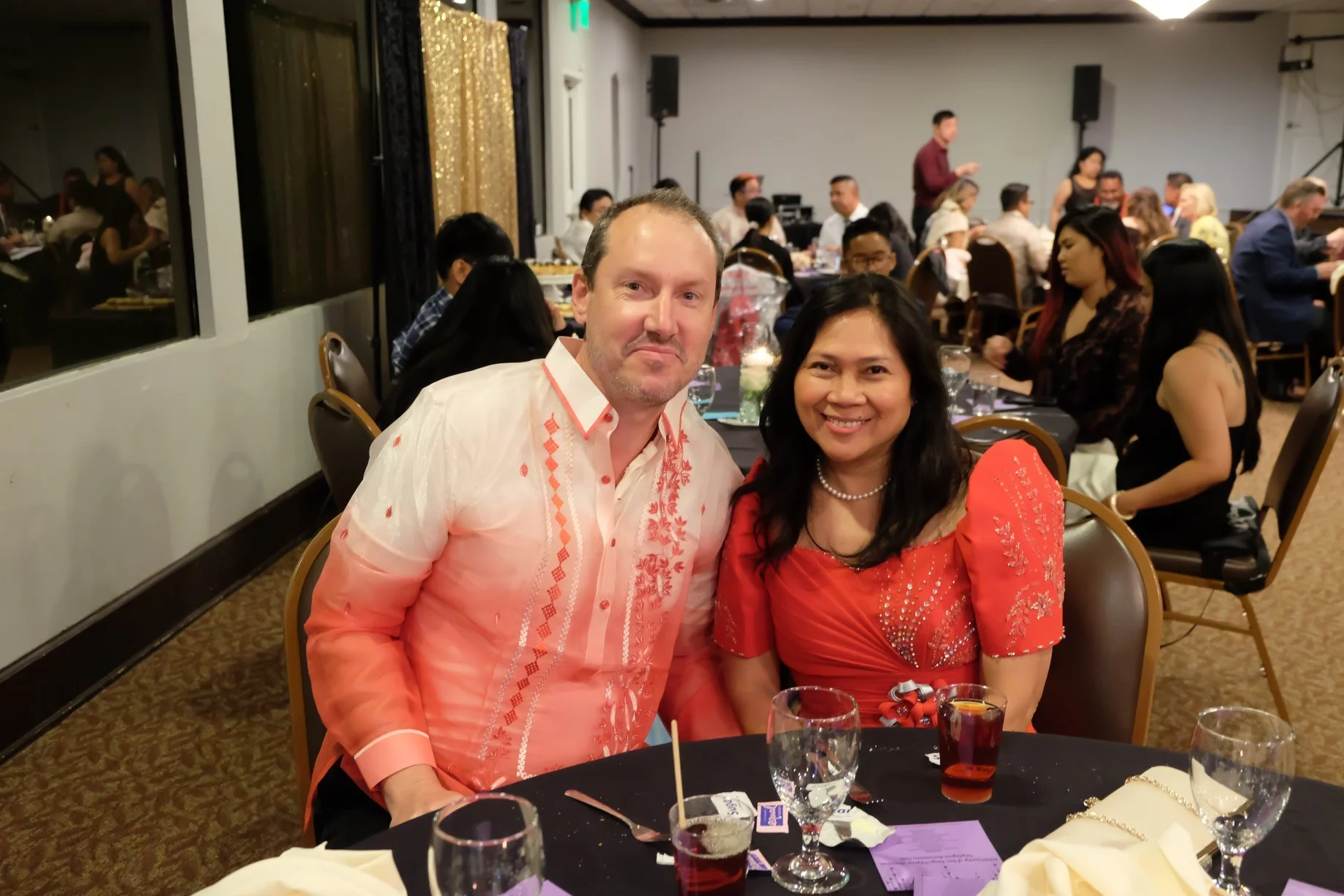
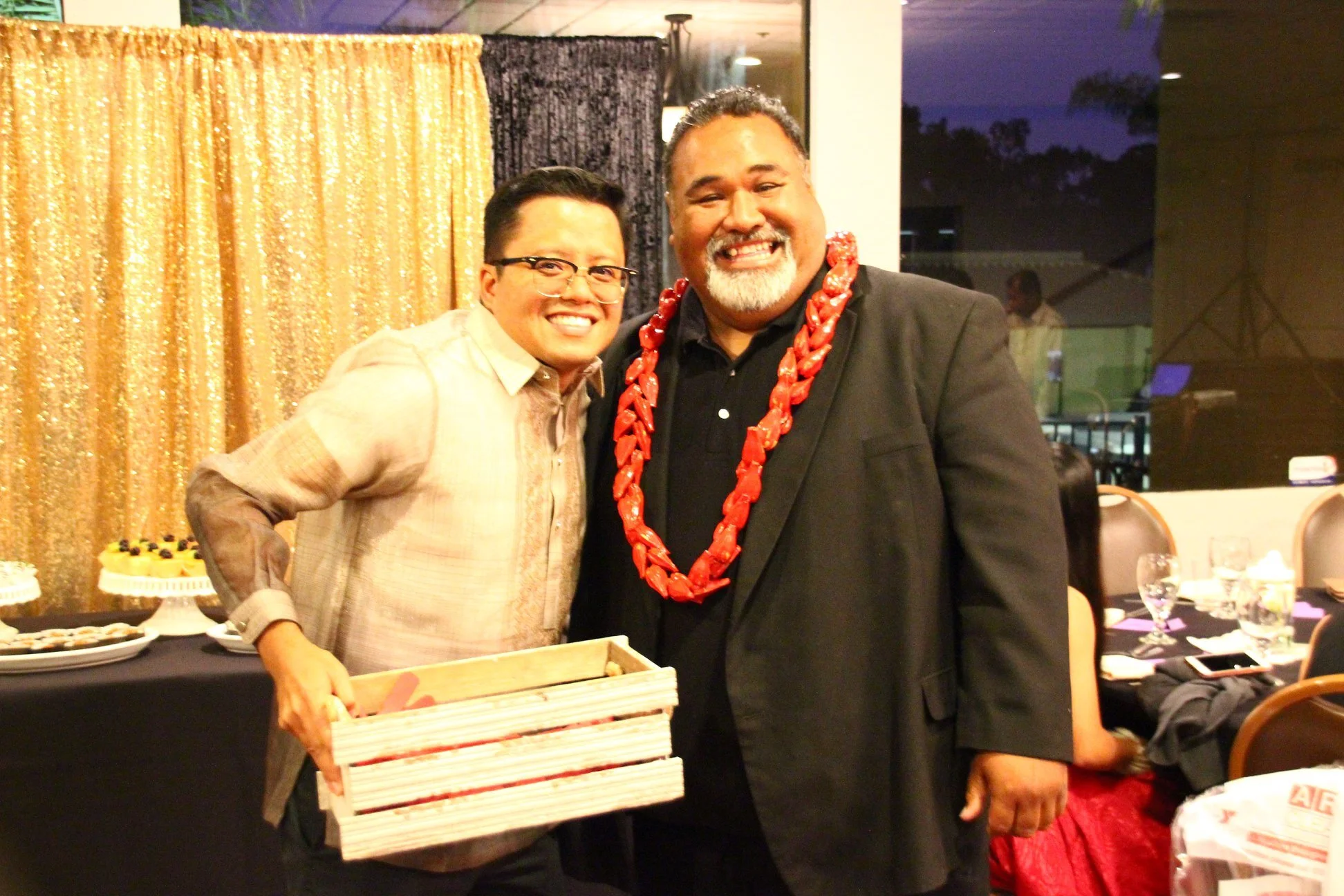
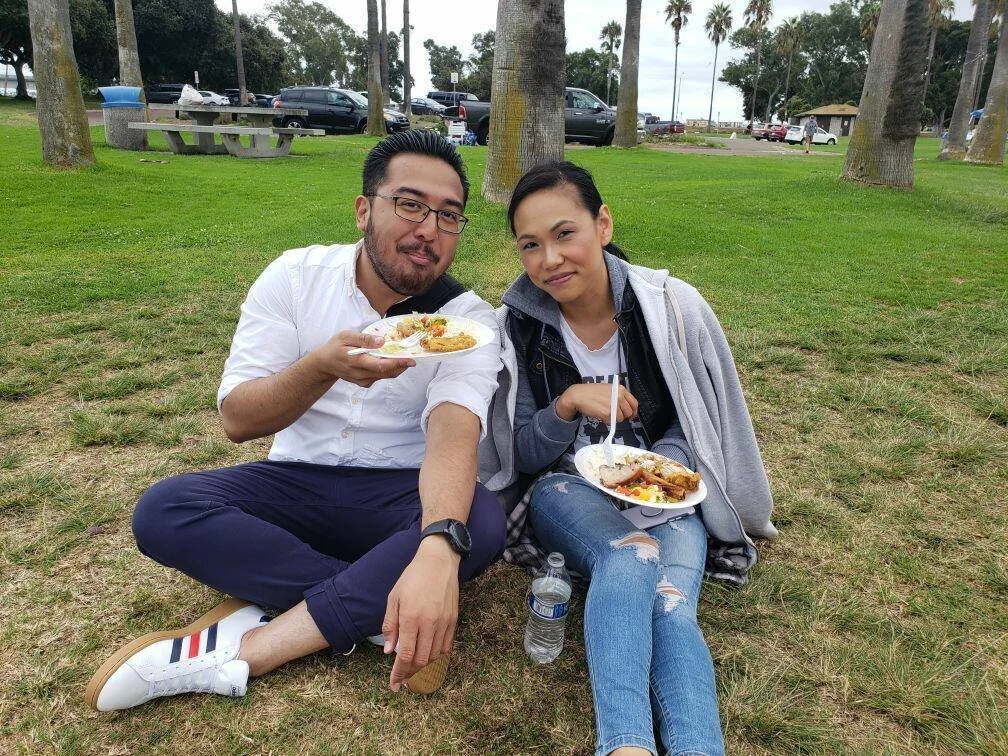
It was a big month for the County of San Diego Filipino-American Employees’ Association. The employee resource group hosted numerous events to commemorate Filipino American History Month, which marks the arrival of the first Filipinos in the U.S. in 1587.

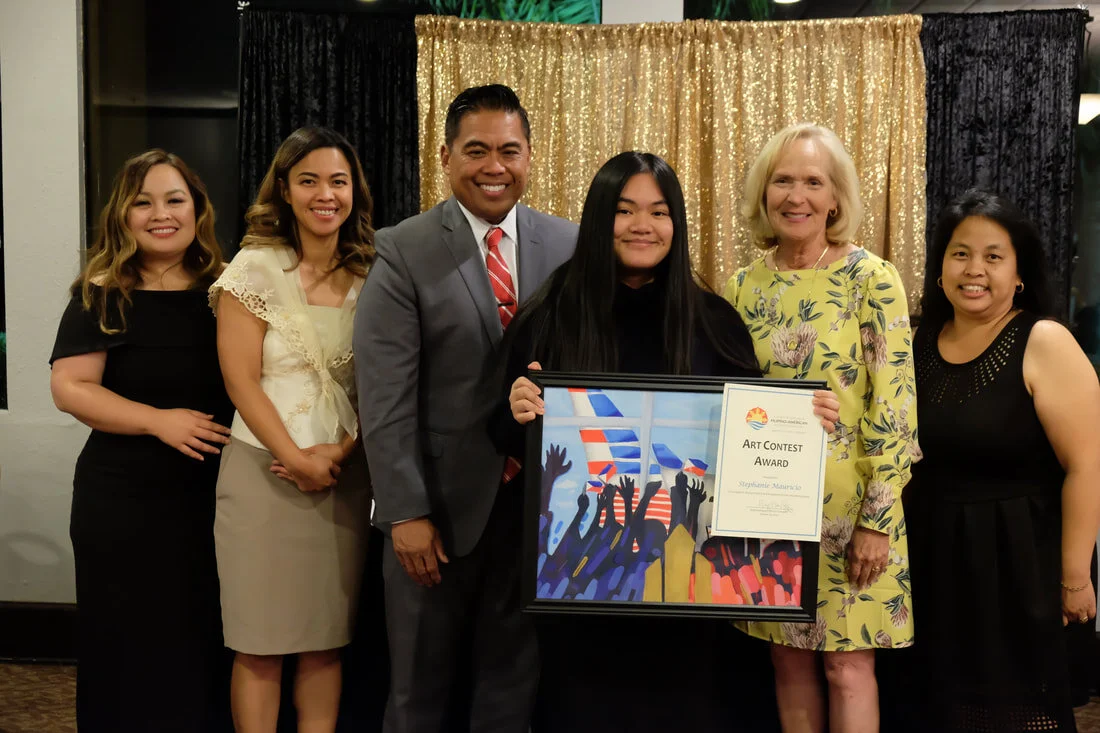
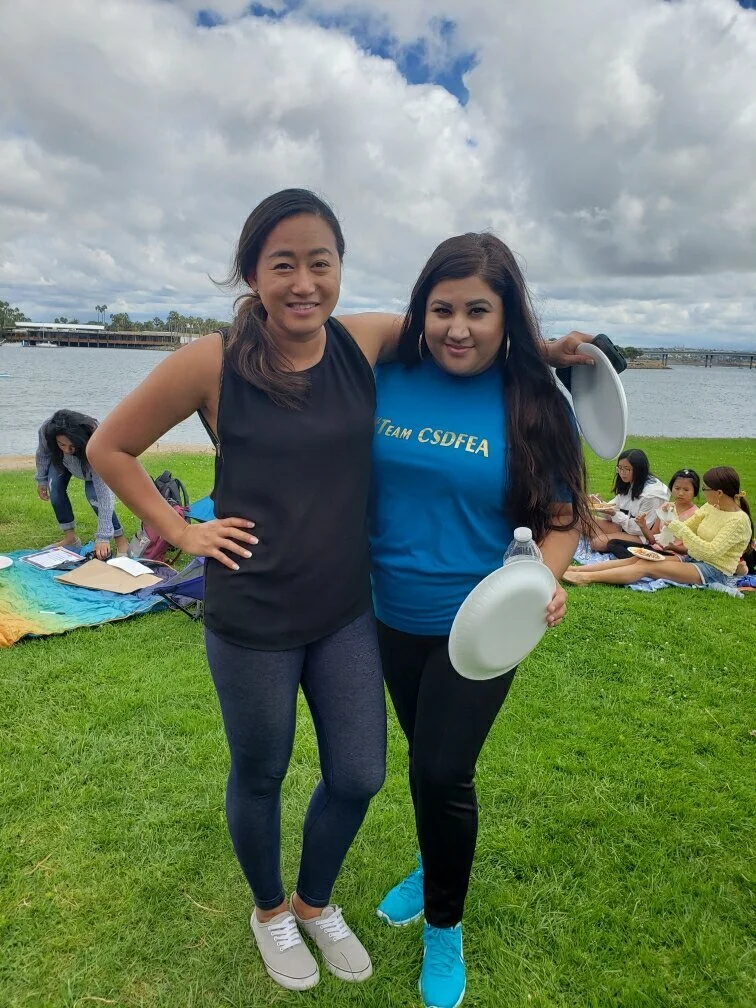
CSDFEA gathered for a family picnic, held an art exhibit at Behavioral Health Services, screened the documentary “In No One’s Shadow: Filipinos in America,” hosted a book club discussion of “America is Not the Heart” by Filipino American writer Elaine Castillo, and held a food drive for and volunteered at Feeding San Diego. Plus, they awarded $3,000 to scholarship and art contest winners at their gala on Larry Itliong Day.

For more information about CSDFEA’s Filipino American History Month celebrations, visit their webpage or connect with them on Facebook